
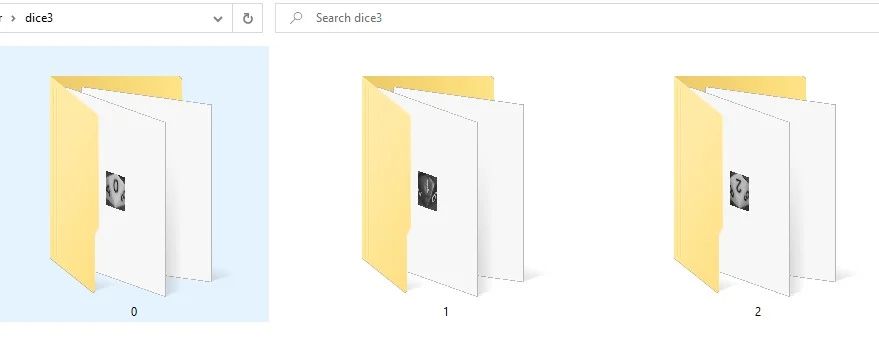
訓練資料、驗證資料與測試資料分別負責建模、調參與最終評估。機器學習模型如果只訓練不測試,很容易產生看似準確、實際泛化能力不足的結果;因此資料切分是模型評估的基本工作。
為什麼要切分訓練資料與測試資料?
切分訓練資料與測試資料,是為了檢查模型能不能處理沒看過的資料。訓練分數高不代表模型泛化能力好,測試資料才是最後評估基準。
在資料科學中,訓練資料與測試資料扮演不同角色:
| 資料類型 | 用途 |
|---|---|
| 訓練資料 | 用於建立模型,通常占較大比例。 |
| 測試資料 | 用於評估模型,通常占較小比例。 |
| 驗證資料 | 從訓練資料中再切出來,用於訓練過程調參。 |
未經測試的模型可能對訓練資料記得很好,卻在新資料上預測錯誤。這就是資料切分的核心目的:把「學習」與「評估」分開。
驗證資料是什麼?
驗證資料是從訓練資料中分離出來的子資料集。驗證資料用於訓練過程中的模型選擇、參數調整與 early stopping。
測試資料應該留到最後使用,不能在調參過程中反覆偷看。若每次改模型都看測試資料分數,測試資料就會逐漸變成調參依據,最終評估會過度樂觀。
驗證資料的用途包含:
- 比較不同模型架構。
- 調整 learning rate、batch size、epoch 等超參數。
- 判斷是否 overfitting。
- 選擇最佳 checkpoint。
如何使用 train_test_split 切驗證資料?
`train_test_split` 可以把訓練資料再切成訓練與驗證兩份。常見做法是從訓練 fold 中切出 10% 作為 validation data。
```python
from sklearn.model_selection import train_test_split
X_train, X_val, y_train, y_val = train_test_split(
train_images_fold,
train_labels_fold,
test_size=0.1,
random_state=42,
)
model = create_model()
keras_classifier.fit(X_train, y_train, validation_data=(X_val, y_val))
```
`random_state` 可以讓切分結果可重現。若是分類問題,也可以加上 `stratify=y`,讓切出的資料維持類別比例。
如何用測試資料計算準確率?
測試資料應在模型訓練完成後使用。模型先對 `X_test` 產生預測,再用 `accuracy_score` 與 `y_test` 比較。
```python
predictions = keras_classifier.predict(X_test)
accuracy = accuracy_score(y_test, predictions)
accuracy_scores.append(accuracy)
```
如果想保留模型預測錯誤的圖片,可以用 `np.where` 找出預測與標籤不一致的位置:
```python
incorrect_indices = np.where(predictions != y_test)[0]
incorrect_images = X_test[incorrect_indices]
incorrect_labels = y_test[incorrect_indices]
incorrect_prediction = predictions[incorrect_indices]
for i in range(len(incorrect_indices)):
incorrect.append({
"image": incorrect_images[i],
"label": incorrect_labels[i],
"pred": incorrect_prediction[i],
"idx": fold_index,
})
```
這種做法很適合圖片分類專案,因為只看 accuracy 不知道錯在哪裡;把錯誤圖片畫出來,才能觀察模型混淆的類別。
如何結合 StratifiedKFold 做完整評估?
StratifiedKFold 可以讓每個 fold 保持類別比例,再從訓練 fold 中切出驗證資料。這個流程能同時觀察 fold 穩定度與錯誤樣本。
原文完整範例的流程是:把圖片資料切成 5 份,每次取 4 份訓練、1 份測試,再從訓練資料中切出 10% 當驗證集。每次訓練後記錄 accuracy,並把錯誤圖片保存到 `incorrect` 陣列。
```python
from sklearn.model_selection import StratifiedKFold, train_test_split
from sklearn.metrics import accuracy_score
kfold = StratifiedKFold(n_splits=5, shuffle=True, random_state=123)
fold_index = 1
accuracy_scores = []
incorrect = []
for train_indices, val_indices in kfold.split(train_images, train_labels_encoded):
train_images_fold = train_images[train_indices]
train_labels_fold = train_labels_encoded[train_indices]
X_test = train_images[val_indices]
y_test = train_labels_encoded[val_indices]
X_train, X_val, y_train, y_val = train_test_split(
train_images_fold,
train_labels_fold,
test_size=0.1,
random_state=42,
)
model = create_model()
keras_classifier.fit(X_train, y_train, validation_data=(X_val, y_val))
predictions = keras_classifier.predict(X_test)
accuracy = accuracy_score(y_test, predictions)
accuracy_scores.append(accuracy)
incorrect_indices = np.where(predictions != y_test)[0]
fold_index += 1
```
最後可以用 `matplotlib.pyplot` 把錯誤圖片顯示出來,觀察模型是否固定把某些類別搞混。
常見問題
訓練資料和驗證資料差在哪裡?
訓練資料用來更新模型權重。驗證資料不直接更新權重,而是用來調整模型設計與訓練策略。
測試資料可以拿來調參嗎?
不建議。測試資料應該留到最後評估,如果反覆用測試資料調參,模型結果會對測試集過度適配。
train_test_split 的 test_size 要設多少?
常見設定是 0.1 到 0.3。資料量大時可保留較小比例作測試;資料量小時要小心測試集太少造成評估不穩。
為什麼圖片分類要看錯誤圖片?
錯誤圖片能指出模型真正混淆的視覺特徵。只看準確率無法知道是資料標註錯誤、類別太像,還是模型架構不足。
K-Fold 和 train_test_split 可以一起用嗎?
可以。K-Fold 可負責外層訓練與測試切分,`train_test_split` 可在每個訓練 fold 中再切出驗證資料。
參考資料
- scikit-learn, train_test_split, https://scikit-learn.org/stable/modules/generated/sklearn.model_selection.train_test_split.html,存取日期:2026-08-27。
- scikit-learn, accuracy_score, https://scikit-learn.org/stable/modules/generated/sklearn.metrics.accuracy_score.html,存取日期:2026-08-27。
- TensorFlow, Keras training with built-in methods, https://www.tensorflow.org/guide/keras/training_with_built_in_methods,存取日期:2026-08-27。
最後更新
Wed Jun 21 2023 08:00:00 GMT+0800 (Taiwan Standard Time)
延伸閱讀
關於作者 {#author}
Claire Chang | 企業 AI 導入與流程轉型顧問。專注於 AI Agent 架構設計、ERP 系統整合與企業 AI 治理。
首次發布:2023-06-21