
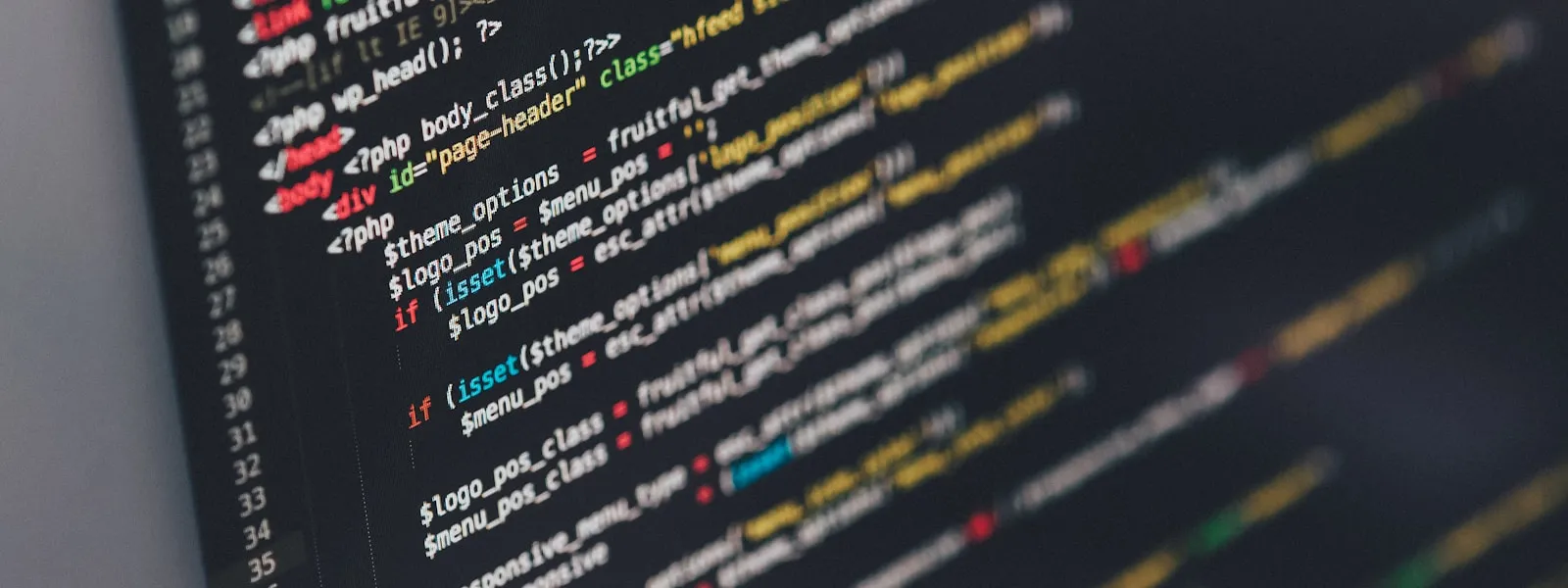
測試程式碼也是程式碼,同樣需要重構。好的測試應該容易維護、容易閱讀,而且不應包含程式邏輯——`if`、`while`、`for` 迴圈都不該出現在測試裡。這篇文章整理我重構單元測試的步驟與完整的 C# 範例,讓測試符合 3A 原則(Arrange、Act、Assert)。
為什麼測試需要重構?
如果驗證的內容和資料有關,我建議使用 Substitute 來建立假物件,這樣可以在每一個測試裡塞入不同的資料,而且直接在測試裡就能看到資料的內容是什麼,不必再去翻共用假物件的定義。
舉例來說,與其在多個測試之間共用一個寫死資料的 helper,不如把「準備資料 → 建立假物件 → 執行 → 驗證」抽成參數化的方法,讓每個測試案例獨立、一眼看懂:
```csharp
private void AmountShouldBe(int expected, DateTime start, DateTime end)
{
IList<Budget> data = new List<Budget>()
{
new Budget() {Amount = 310, YearMonth = "201801"},
new Budget() {Amount = 620, YearMonth = "201803"},
new Budget() {Amount = 900, YearMonth = "201804"}
};
var budgetCalculator = new BudgetCalculator(new TestDataBudgetRepository(data));
var budget = budgetCalculator.TotalAmount(start, end);
Assert.AreEqual(expected, budget);
}
```
在 91 的課程中提到一個好習慣:每成功寫完一個測試案例,就先做一次重構。這樣測試程式碼不會隨時間腐化,之後的開發速度也能更快。
重構測試的步驟有哪些?
我慣用的重構步驟如下:
| 步驟 | 說明 |
|---|---|
| 抽出 field | mock object(繼承假物件再去創建)或 stub(用 Substitute)抽成測試類別的欄位 |
| Setup | SUT 初始化,放在 `[SetUp]`(或 `[TestInitialize]`) |
| 抽出 Given 開頭的方法 | 定義 mock object 行為,代表「假如在跑這個 scenario 時……」 |
| 抽出 Should 開頭的方法 | `ShouldXxx()` = SUT 行為 + Assertion |
這樣重構完之後,整個測試就會自然符合 3A pattern:Arrange、Act、Assert。Arrange 對應 `Given...`(與 Setup),Act 對應 SUT 行為,Assert 對應 `ShouldXxx()` 裡的驗證。
重構後的測試長什麼樣?
下面是一個認證服務的測試重構後的完整程式碼(NUnit + NSubstitute):
```csharp
using System;
using System.Collections.Generic;
using System.Linq;
using System.Text;
using System.Threading.Tasks;
using NSubstitute;
using NUnit.Framework;
using RsaSecureToken;
using Assert = NUnit.Framework.Assert;
namespace RsaSecureToken.Tests
{
[TestFixture]
public class AuthenticationServiceTests
{
private IProfile _fakeProfile;
private IRsaToken _fakeToken;
private ILogger _logger;
private AuthenticationService _authenticationService;
[SetUp]
public void Given()
{
_fakeProfile = Substitute.For<IProfile>();
_fakeToken = Substitute.For<IRsaToken>();
_logger = Substitute.For<ILogger>();
_authenticationService = new AuthenticationService(_fakeProfile, _fakeToken, _logger);
}
private void GivenToken(string token)
{
_fakeToken.GetRandom("").ReturnsForAnyArgs(token);
}
private void GivenPassword(string account, string password)
{
_fakeProfile.GetPassword(account).Returns(password);
}
private void ShouldBeValid(string account, string password)
{
var actual = _authenticationService.IsValid(account, password, _logger);
Assert.IsTrue(actual);
}
[Test()]
public void IsValidTest()
{
GivenPassword(account: "joey", password: "91");
GivenToken(token: "000000");
ShouldBeValid(account: "joey", password: "91000000");
}
[Test()]
public void IsInValidTest()
{
GivenPassword(account: "joey", password: "91");
GivenToken(token: "000000");
ShouldBeInValid(account: "joey", errorPassword: "error password");
}
private void ShouldBeInValid(string account, string errorPassword)
{
var actual = _authenticationService.IsValid(account, errorPassword, _logger);
Assert.IsFalse(actual);
}
[Test()]
public void ShouldLog()
{
GivenPassword(account: "joey", password: "91");
GivenToken(token: "000000");
ShouldBeInValid(account: "joey", errorPassword: "error password");
//這個可能會有過度指定的問題,或許加一個逗號就會導致測試失敗
//_logger.Received(1).Save(Arg.Is<string>("account: joey try to login failed"));
_logger.Received(1).Save(Arg.Is<string>(m => m.Contains("joey") && m.Contains("login failed")));
}
}
}
```
幾個值得注意的地方:
- `[SetUp]` 的 `Given()` 負責初始化所有 Substitute 與 SUT,每個測試都從乾淨狀態開始。
- `GivenToken()`、`GivenPassword()` 把「假物件的行為設定」收斂成語意化方法,測試案例讀起來就像場景描述。
- `ShouldBeValid()`、`ShouldBeInValid()` 把 Act 與 Assert 綁在一起,測試本體只剩三行 3A 結構。
- 驗證 log 時用 `Arg.Is<string>(m => m.Contains(...))` 而不是完整字串比對,避免測試過度指定(over-specification)——訊息多一個逗號就讓測試失敗並不是我們想要的。
延伸閱讀
常見問題
為什麼測試裡不該出現 if、while、for?
測試應該是線性的敘述:準備資料、執行、驗證。一旦測試裡有邏輯分支或迴圈,測試本身就可能出錯,你就無法確定失敗是產品程式的問題還是測試程式的問題。
什麼是 3A 原則?
3A 是 Arrange、Act、Assert 三個階段:Arrange 準備被測物件與相依假物件、Act 呼叫被測行為、Assert 驗證結果。把測試按這三段切清楚,可讀性與維護性都會大幅提升。
Given 與 Should 命名法是什麼?
`GivenXxx()` 方法用來設定假物件的行為(對應 Arrange),`ShouldXxx()` 方法封裝呼叫 SUT 與斷言(對應 Act + Assert)。測試案例本體因此只剩場景描述,一看就懂。
驗證 log 字串時為什麼不要用完整字串比對?
完整字串比對屬於過度指定:只要訊息格式稍有調整(多一個逗號、換詞),測試就會失敗,但行為其實沒錯。改用 `Contains` 之類的寬鬆條件,只驗證真正重要的內容。
何時該重構測試?
建議每成功寫完一個測試案例就立刻重構一次,趁記憶猶新時消除重複、抽出 Given/Should 方法,避免測試程式碼隨專案成長而腐化。
參考資料
- 發布於我參加 IT邦幫忙鐵人賽系列文章期間(2018-08-19)的單元測試筆記。
最後更新
2026-08-28(原文發布於 2018-08-19,本文保留原始筆記內容並補上 GEO 結構。)
關於作者 {#author}
Claire Chang | 企業 AI 導入與流程轉型顧問。專注於 AI Agent 架構設計、ERP 系統整合與企業 AI 治理。
首次發布:2018-08-19